

Choosing housing in Dhaka, Bangladesh involves navigating a unique set of considerations influenced by the country’s rapid urbanization, evolving economy, and cultural heritage. For locals and expatriates, housing decisions in Dhaka are shaped by factors like affordability, location, government initiatives, and climate. Here we explore few key reasons one might choose housing in Bangladesh and the broader factors influencing these choices.
Rapid Economic Growth and Urbanization of housing In Dhaka
Bangladesh has experienced impressive economic growth in the last decade, driven by key industries such as manufacturing, services, and agriculture. This growth has boosted urbanization, especially in cities like Dhaka, Chittagong, and Sylhet, attracting people from rural areas in search of better job opportunities and living conditions.
Urban centers now offer modern amenities, including shopping malls, hospitals, and schools, making them highly attractive for those seeking an improved standard of living. As a result, housing has become a critical factor for individuals and families aiming to secure long-term stability and comfort in these growing cities.
Affordable Housing Options in Bangladesh
One of the main draws of Bangladesh’s housing market is its affordability. Compared to many other South Asian countries, Bangladesh offers relatively lower housing costs, making it a viable option for young professionals and families looking to move to urban areas. Both government and private developers have launched initiatives targeting low- and middle-income groups, increasing access to affordable housing.
While costs vary by location, more affordable options can often be found in less-developed or suburban areas. For example, neighborhoods like Gulshan and Banani in Dhaka are more expensive, while areas on the outskirts or less developed regions offer lower-priced alternatives. Renting is also a popular choice for those who cannot afford to buy immediately.
Bangladesh Government Initiatives and Policies for Housing
The government of Bangladesh has implemented several policies to address housing shortages, particularly for the economically disadvantaged. Programs like the “Affordable Housing” initiative aim to provide accessible housing for lower-income populations. Additionally, the government encourages private investment in real estate by offering incentives like tax breaks and infrastructure support to developers, which in turn helps reduce costs for buyers.
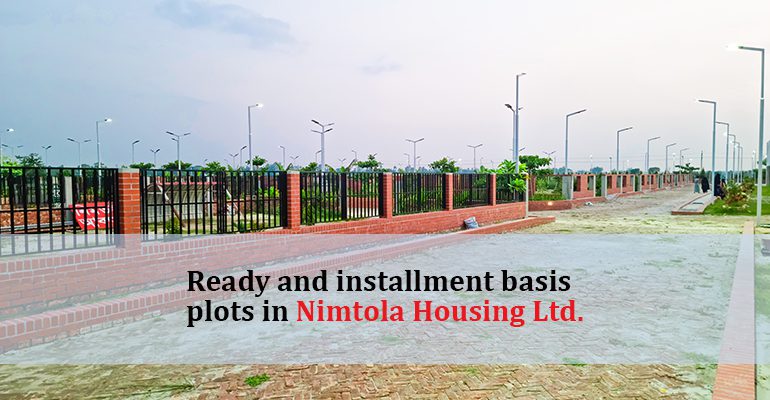
Projects like “Purbachal New Town”, “Uttara Residential Model Town” and “Nimtola Housing Limited” are examples of government-led housing initiatives designed to meet the needs of the expanding urban population in Dhaka.
Growing Housing Market in Dhaka, Bangladesh
The housing sector in Bangladesh has flourished due to the rising demand for both residential and commercial properties. Developers are offering a wider range of housing options, from luxurious apartments and gated communities to more affordable housing, catering to different socioeconomic classes.
Dhaka, as the commercial and administrative hub, has become the epicenter of this growth. However, increasing demand in prime locations has led to higher property prices, making it difficult for middle-class families to afford homes in certain areas. As a result, secondary cities like Chittagong and Sylhet are emerging as attractive alternatives, offering more affordable housing while still providing urban amenities.
Environmental and Climate Considerations for Housing Property
Bangladesh’s vulnerability to climate change, including rising sea levels, frequent floods, and cyclones, plays a significant role in housing decisions. Many people opt-in for housing in areas less prone to flooding or choose buildings with flood-resistant features. Coastal regions are particularly vulnerable, while urban areas like Dhaka often deal with waterlogging during monsoon seasons.
In rural areas, traditional housing structures, such as homes built on stilts or using local materials resistant to harsh weather, remain popular. These homes blend cultural heritage with practicality, especially in flood-prone regions.
Cultural and Social Influences for Housing in Dhaka
In Bangladesh, housing decisions are deeply influenced by cultural and social factors. Owning a home is seen as a significant achievement and a symbol of security. Family and community are central to Bangladeshi society, which leads many families to choose homes that can accommodate extended family or are located near relatives.
Safety and security are also important, particularly in urban areas. Gated communities and homes with 24/7 security are becoming increasingly popular. The cultural preference for living in close-knit communities also influences housing choices, as many seek neighborhoods where they feel safe and socially connected.
Housing choices in Dhaka, Bangladesh are influenced by a variety of factors including economic growth, affordability, government policies, housing development, environmental concerns, and cultural preferences. As urban areas like Dhaka continue to grow, the demand for modern, conveniently located housing increases. However, rural and suburban areas still offer more affordable and peaceful living environments. Whether for locals or expatriates, understanding these dynamics is key to making informed housing decisions in this rapidly developing country.