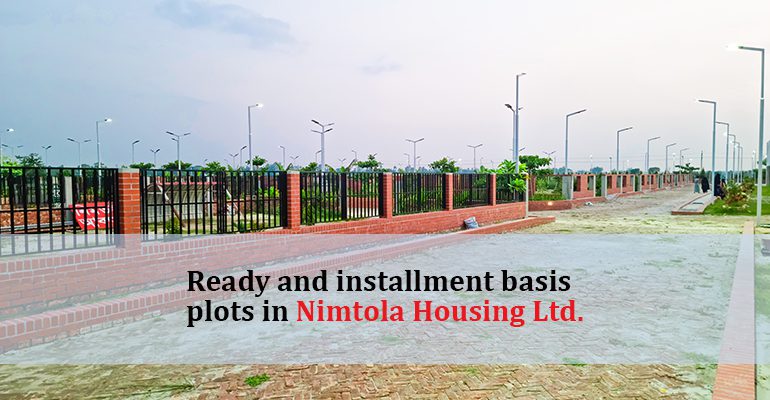


Purchasing land in rapidly developing metropolitan areas like Chattogram, Sylhet, Khulna, and Barishal or large cities like Dhaka has never been more financially advantageous. The surge in housing prices has created intense demand, with many people seeking property for both residential and investment purposes. Landowners are increasingly converting their plots into apartments to generate additional income. Interestingly, land ownership in Bangladesh offers unique benefits, such as exemption from taxes and zakat. This is likely a significant factor in the growing competition for land. Investing in land remains a secure, long-term option with the added advantage of being passed down to future generations. But we are here to secure your dreamland. Below is a detailed guide for navigating the land purchase process in Bangladesh.
Understanding Ownership Rights
Before making a land purchase, it is crucial to fully understand the rights associated with the property. The owner of a piece of land holds full authority over its use and can transfer all or part of the land to another party. The original owner may use a Power of Attorney (POA) to authorize another person to act on their behalf in property transactions. This individual, while not an owner, can legally transfer the property.
It is essential to ensure that all relevant records, including public registries, reflect the new owner’s title. To ensure a smooth transaction, it is advisable to seek legal counsel or a trusted real estate agent to ensure that all legal aspects of the purchase are thoroughly addressed.
The Role of the Ministry of Land
Ministry of Land of Bangladesh is responsible for overseeing all land-related activities in Bangladesh. The Ministry distinguishes between revenue records and ownership records. Ownership records include important documents such as land survey data and titles, while revenue records relate to tax obligations, stamp duties, and the like. Before finalizing any purchase, the buyer needs to conduct a physical inspection of the land and verify key details, including:
- The current condition of the land
- The prevailing market rate
- Whether the land is encumbered by any claims or disputes
- The legal status of the land (whether leased or mortgaged)
Verifying Seller’s Documents
As a prospective buyer, it is vital to thoroughly vet the seller to ensure they hold legitimate ownership of the land. In Bangladesh, it is not uncommon for individuals to control land that they do not legally own. A buyer must conduct a thorough background check to verify ownership rights. Key documents to review include:
1. Sale Document
Ensure that the land has a clear chain of ownership. The seller should have held the land for at least 25 years.
2. Khatian (Land Title Records)
The Khatian serves as an official record of land ownership and survey data. Buyers and their legal teams must verify that the seller’s name appears on the Khatian and cross-check the details with the Deputy Collector’s Office to ensure it is certified and not a mere draft copy.
3. Dag (Plot Information)
Confirm that the plot number and holding address correspond with the seller’s documents.
4. Land Report
This comprehensive document provides essential information, such as:
- Ownership History
- Tax status (Khajna)
- Registration Status
It also alerts the buyer to any land disputes, government acquisition risks, or legal challenges related to the property. If the land contains existing buildings, ensure that construction complies with the approved building plan.
Once the seller’s documents have been verified, the buyer must proceed with the necessary paperwork to ensure the smooth transfer of ownership.
Buyer’s Documentation
To complete the transfer process, buyers should prepare the following documents:
1. Non-Encumbrance Certificate
This certificate, obtained from the Land Revenue or Sub-Registry office, confirms that the property is free of legal encumbrances and that no other claims exist on it.
2. Deed and Stamp Duty
A new deed outlining the transfer of ownership must be drafted. This document is typically drawn up between the buyer and the seller, specifying all terms and conditions. The buyer must pay a stamp duty, typically around 3% of the property’s market value, to legalize the transaction.
3. Registration Fees
A registration fee must be paid to an authorized bank for the sub-registry office. The registration process involves submitting the payment receipt to the sub-registry office, which will generate a certified registration document with the buyer’s name. The official sale deed can take up to six months to be processed.
4. Mutation and Khatian Update
Once the transfer is registered, the buyer must notify the Land Revenue Office for the mutation process. This ensures that future land taxes are paid by the new owner. An application is submitted to the Assistant Commissioner (AC), who will verify the information. The updated Mutation and Khatian documents will be issued with the buyer’s name and will take approximately 45 days to complete.
Special Considerations for Specific Types of Land
While the general process outlined above applies to most land transactions, certain types of property may involve additional regulations. For example:
- Waqf Properties: Require prior approval from the relevant Waqf Administrator before any transaction.
- RAJUK/CDA Leased Properties: Any property leased from RAJUK (Rajdhani Unnayan Kartripakkha) or CDA (Chattogram Development Authority) requires clearance from the Ministry of Housing and Public Works for transfer.
- Khas Land: Government-owned land cannot be sold or mortgaged, and there are strict rules governing its usage.
- River Erosion-Affected Land: Land that has been eroded by rivers is particularly difficult to purchase or alter, due to legal complexities surrounding ownership.
Purchasing land is a significant investment, it is important to approach the process with careful diligence. Legal professionals and housing agents play a crucial role in ensuring a smooth and legally sound transaction. Be aware of additional complications depending on the land type and always verify that all government and regulatory requirements are clear and up to date.